Issue 072
Knowing more isn't always progress
November 17, 2026
From me
Improving our knowledge is how we make progress. But it comes with a quiet trap, where we can keep refining one misconcept long after it stopped making a difference to our lives.
Fallibilism tells us that every misconcept can be improved, not that it should be. Whether improving a particular one is the best use of our finite life resources depends on the goals we've set for ourselves. At some point a misconceptMisconcepts are the explanations we hold about how the world works, synonymous with mental models but named deliberately to acknowledge their fallibility. Unlike a misconception, a misconcept is not necessarily wrong.Full definition (opens in a new tab)→ becomes fit for purpose, good enough to achieve the outcome we care about. Past that, refining it further yields diminishing marginal utilityThe incremental gain in lifetime value per incremental unit of life resource expended.Full definition (opens in a new tab)→ at an unacceptably high opportunity cost.
What matters is choosing which misconcepts are worth improving, then having the discipline to leave the fit-for-purpose ones alone so we can go and live the life we're improving them for.
We will never run out of things to know better. We will run out of time to live with what we know.
From others
Economist and cognitive scientist Herbert Simon on the cost of chasing the best:
"Since my world picture approximates reality only crudely, I cannot aspire to optimize anything; at most, I can aim at satisficing. Searching for the best can only dissipate scarce cognitive resources; the best is the enemy of the good."
Source: Models of My Life (1991)
Statistician George Box on which errors matter:
"Since all models are wrong the scientist must be alert to what is importantly wrong. It is inappropriate to be concerned about mice when there are tigers abroad."
Source: Science and Statistics, Journal of the American Statistical Association (1976)
For you
Which fit-for-purpose misconceptA misconcept that has been improved to the point at which further improvement yields diminishing marginal utility and unacceptably high opportunity cost.Full definition (opens in a new tab)→ are you still refining, and what could that time go to instead?
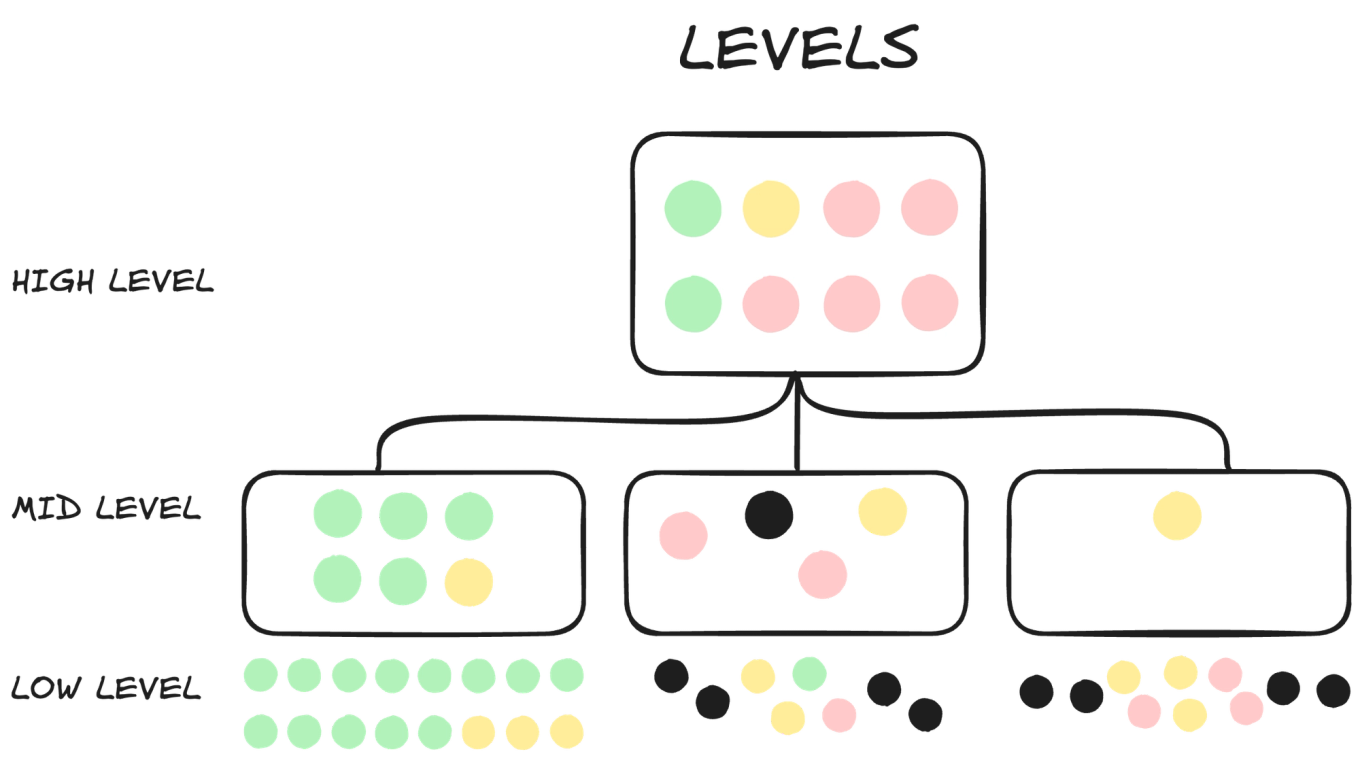
P.S. Not all misconcepts are equal. Some are invoked in every decision we make, others in only a small percentage. The quality of our high-level misconcepts compounds across every decision that follows, which makes them the ones to get fit for purpose first.
If this was useful, the next one will be too.
Subscribe →