Misconcepts
What Are Misconcepts and Why They Run Your Life
April 21, 2026
By Syn Yun Phee & David Wang
Everything you experience and everything you achieve traces back to the same source, the explanations you hold about how the world works.
Most people have never seriously examined those explanations. This article is where that changes.
The foundational assumption
Misconcepts are the explanations we hold about how the world works.
The term is synonymous with mental models, but the name was chosen deliberately to acknowledge that all mental models are fallible. Not necessarily wrong, but provisional, improvable, and always containing errors that can in principle be identified and corrected.
This principle comes from Critical Rationalism, the epistemological theory Misconcepts is built on. Epistemology is the study of what knowledge is and how it grows. Critical Rationalism, pioneered by Karl Popper and developed further by David Deutsch, is the best explanation of knowledge we currently know of.
The central argument is that knowledge grows through creative conjecture and the elimination of errors through rational criticism. A good explanation survives criticism. A better one corrects the errors in the previous explanation while accounting for more. No explanation is ever final.
That is the only foundational assumption the framework rests on. Everything else follows from it.
Why misconcepts are the most important thing in your life
Reason 1: Misconcepts determine both your internal experience and your external results.
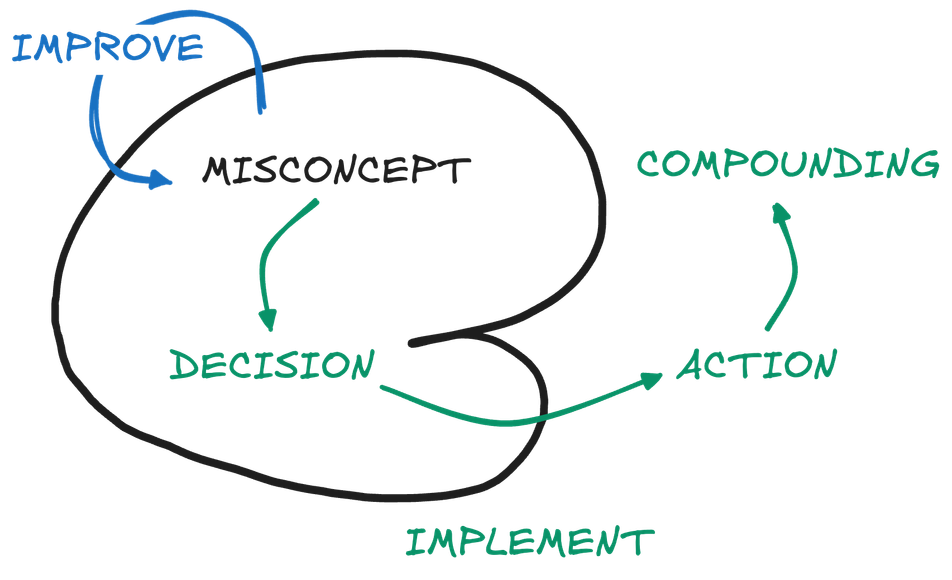
Reason 2: The only two things you can ever do in life are improve a misconcept or implement one.
The second claim sounds more extreme than it is. We'll come back to it.
Your brain never touches the world directly
Your brain lives in an enclosed box, your skull. It receives no direct information about the world outside. Everything it knows arrives as electrical impulses, from peripheral nerves, cranial nerves, every sensory signal the body generates. What the brain does with those impulses is interpret them, through the misconcepts it already holds.

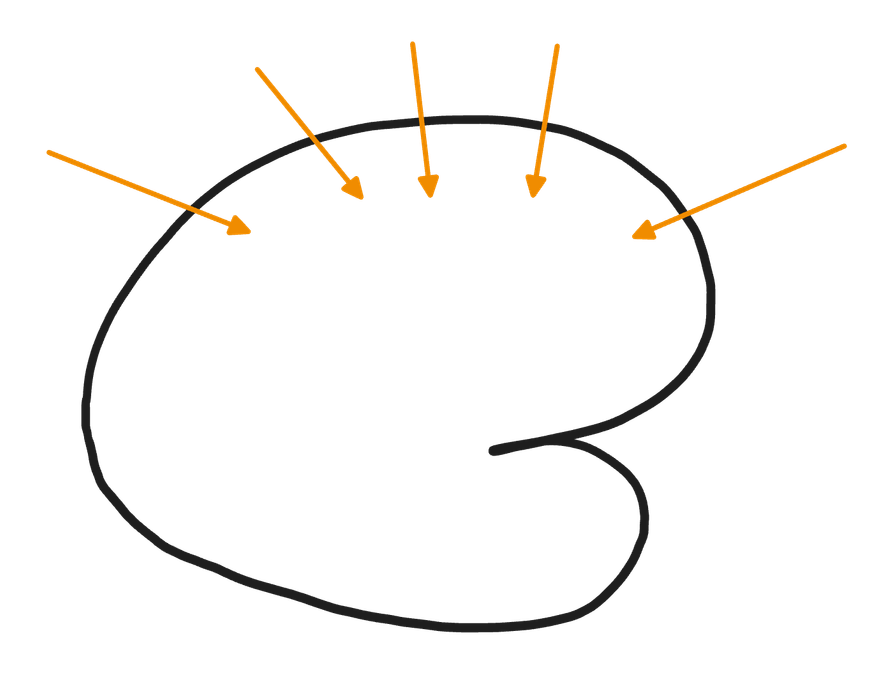
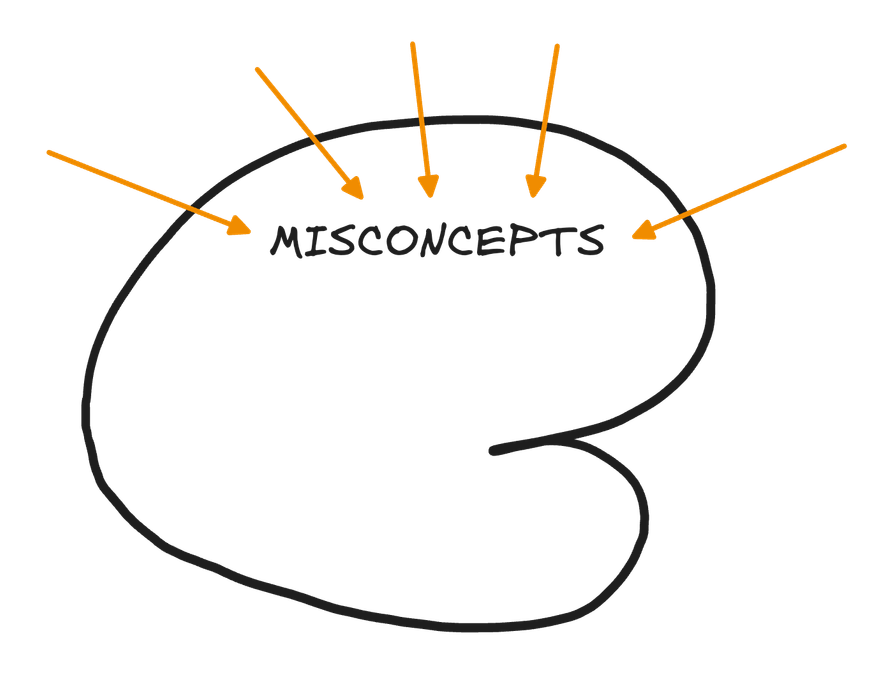
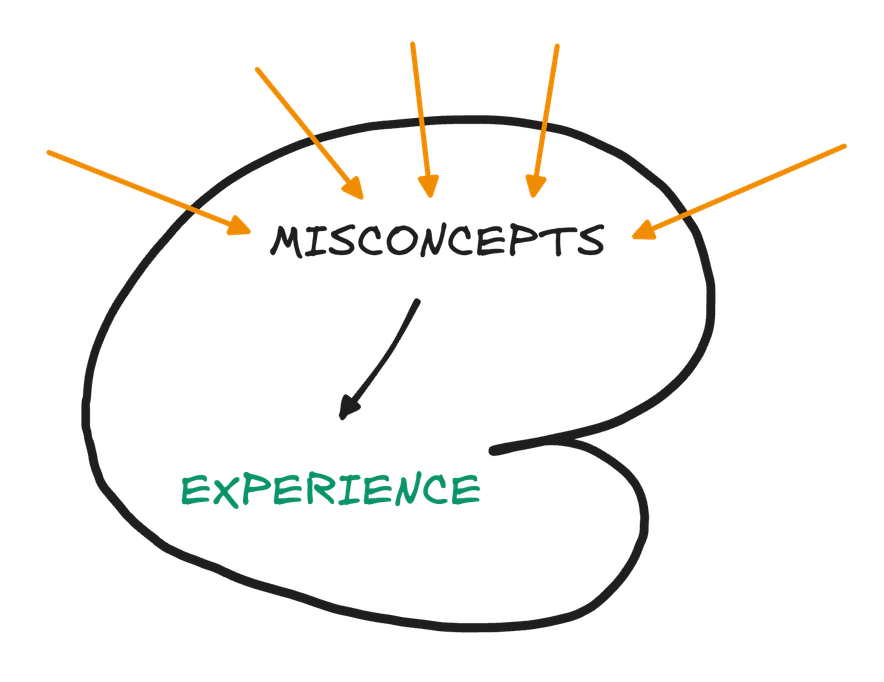
We don't yet have a theory of consciousness good enough to fully explain it, but one conjecture fits the mechanics well. Neuroscientist Anil Seth conjectures consciousness as "controlled hallucinations." The hallucination is the internal world the brain constructs from its existing misconcepts. The "controlled" part is the incoming electrical signal, reining in those constructions in real time.
Your internal experience, what you feel, how you interpret events, what registers as threatening or calm or meaningful, does not come from the world. It comes from the misconcepts being used to interpret it.
A billion decisions all from the same source
The same logic that shapes your internal experience also determines your external results.
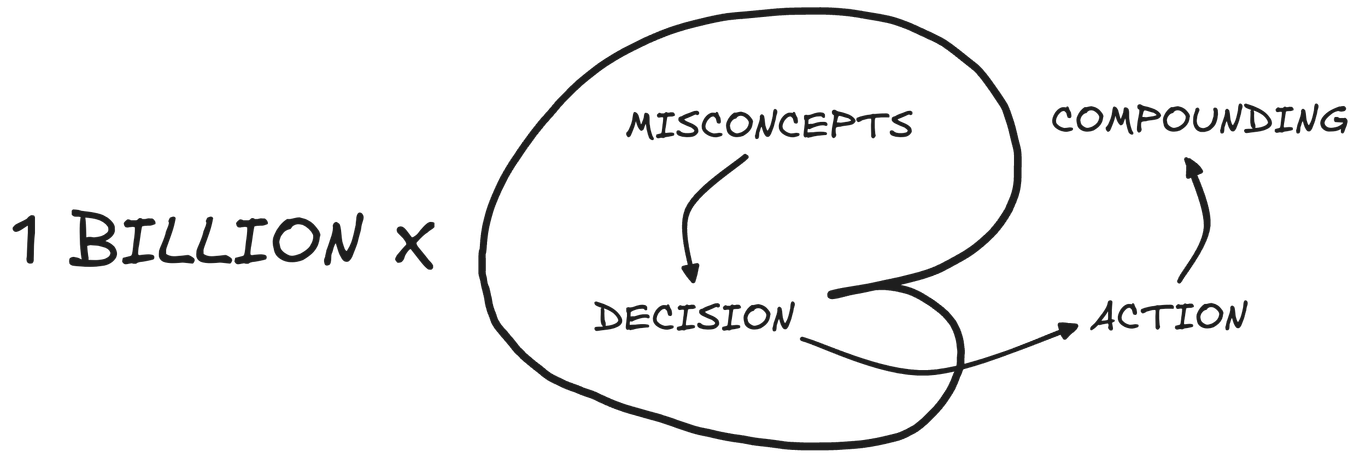
Your brain is still in that box. The only way it affects the world is through action. Actions come from decisions. Decisions come from misconcepts.
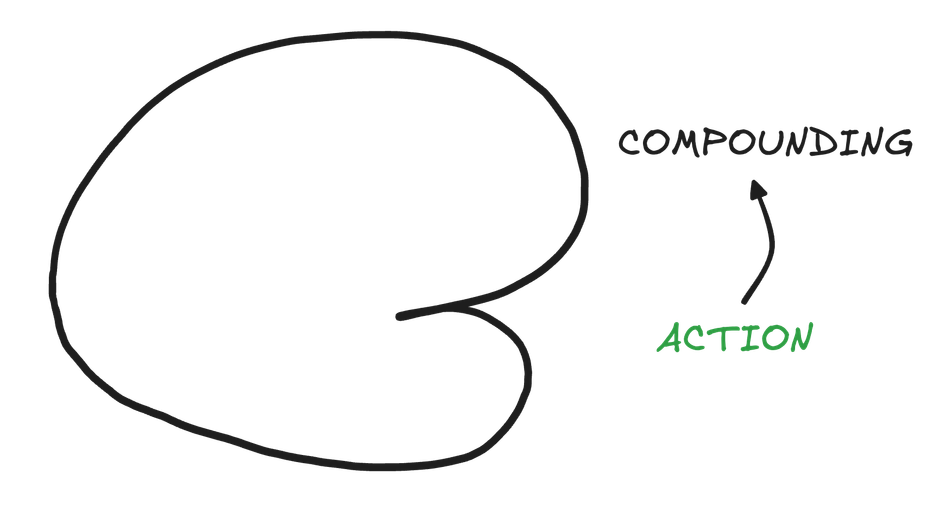
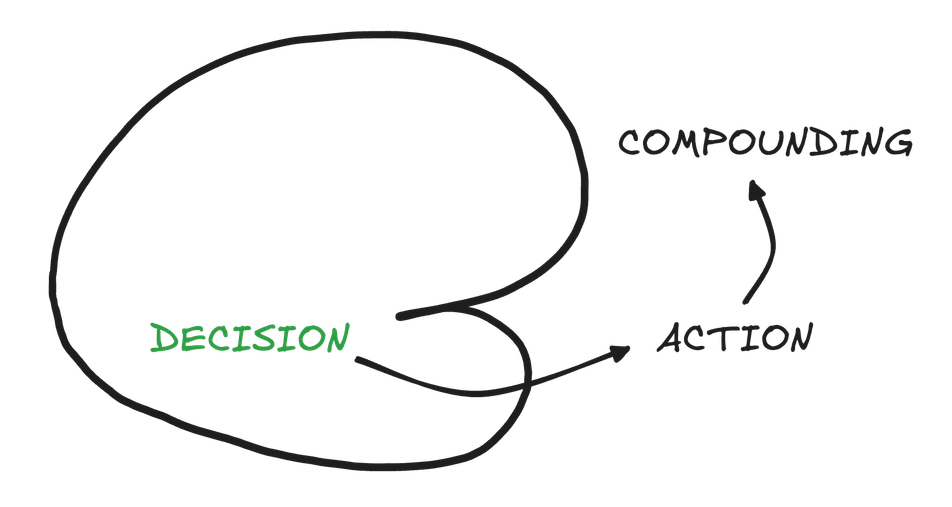
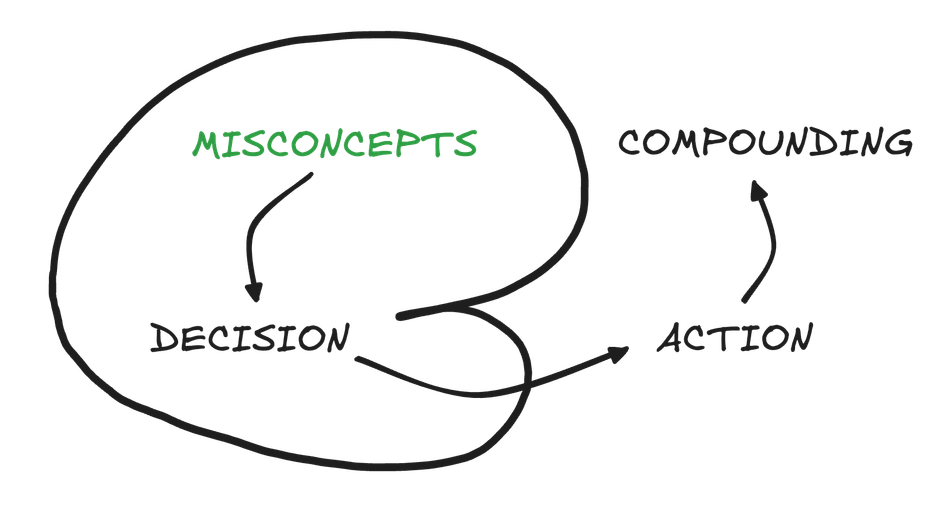
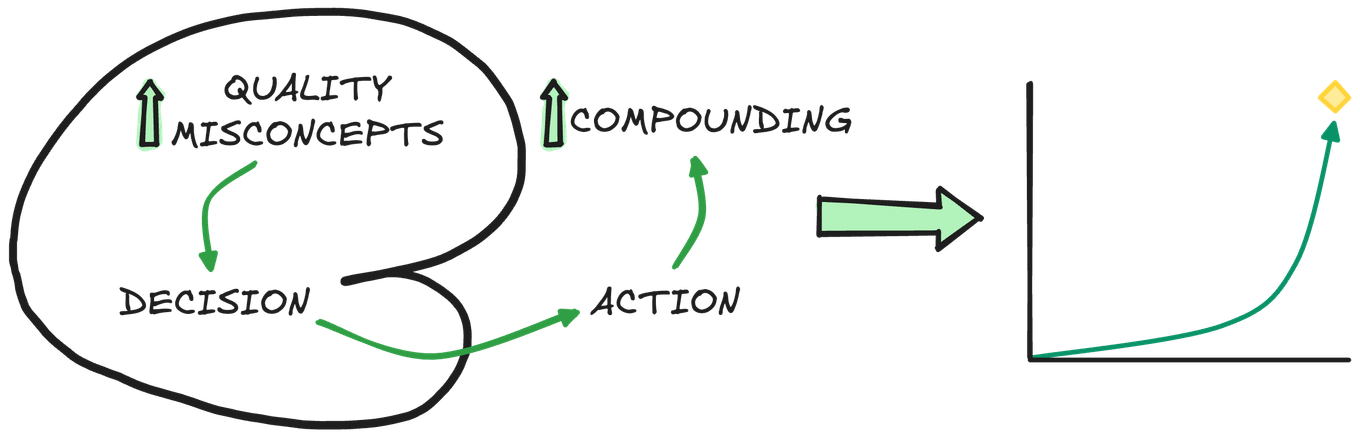
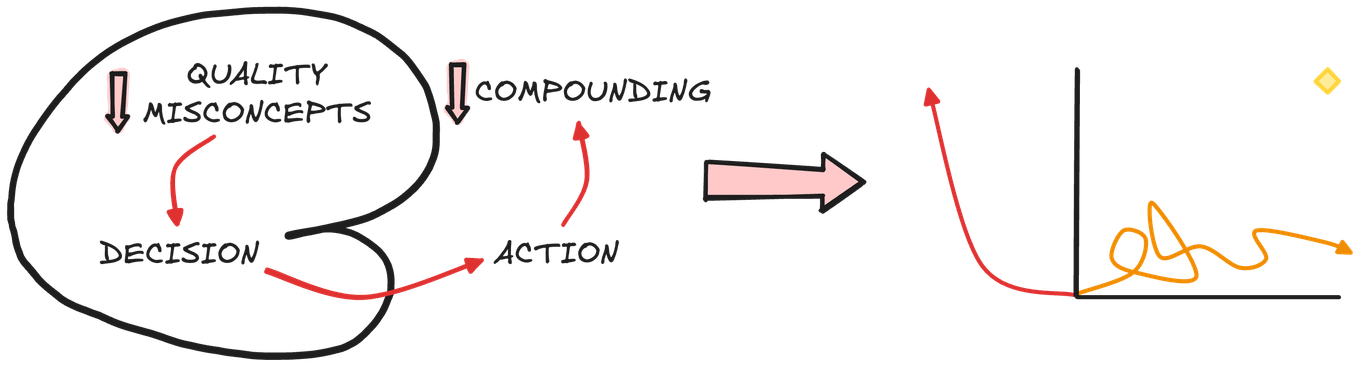
Over an average lifetime you will make roughly a billion decisions. Every single one originates from the misconcepts available to you at that point in time. Those decisions compound, across years and decades, into the results that define your life. The trajectory and rate of that compounding depends entirely on the quality of the misconcepts driving those decisions.
The only two things you can ever do
If all your internal experience and external results originate from your misconcepts, then there are only two fundamental things you can do in life:
Improve your misconcepts. Any process that changes the explanations you hold, reading, reflecting, correcting a mistake, a conversation that shifts how you see something.
Implement your current misconcepts. Using the misconcepts you currently hold to engage with the world, deciding, acting, forming habits, showing up.
Everything is a version of one of these two.
This gives you a first-principles way into any situation. When faced with any problem, feeling stuck, or compounding in a direction you didn't choose, the first question is always the same: do I need to improve a misconcept, or implement an existing one more?
The second question that follows is, which misconcept should I prioritise to get the highest ROI?
Quality is the variable that changes everything
Not all misconcepts are equal. Because they are fallible explanations, they can always be improved and the improvement has measurable consequences.
What makes a misconcept high quality? The same criteria that define a good explanation in Critical Rationalism:
- It reflects reality closer.
- It is hard to vary (components of the explanation cannot be arbitrarily changed without reducing the coherence of the explanation).
- It has reach (applies across situations beyond those it was created for).
The quality of your misconcepts shows up in two places.
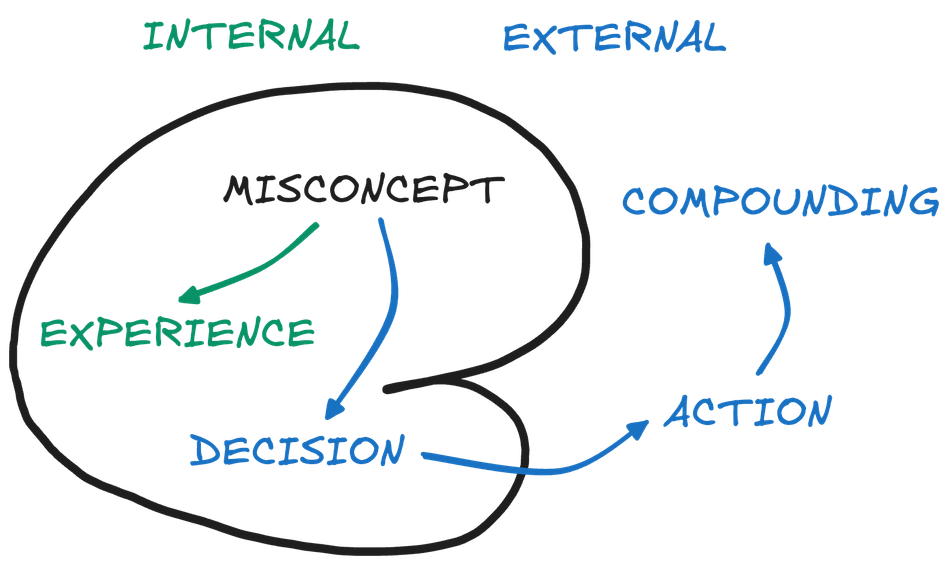
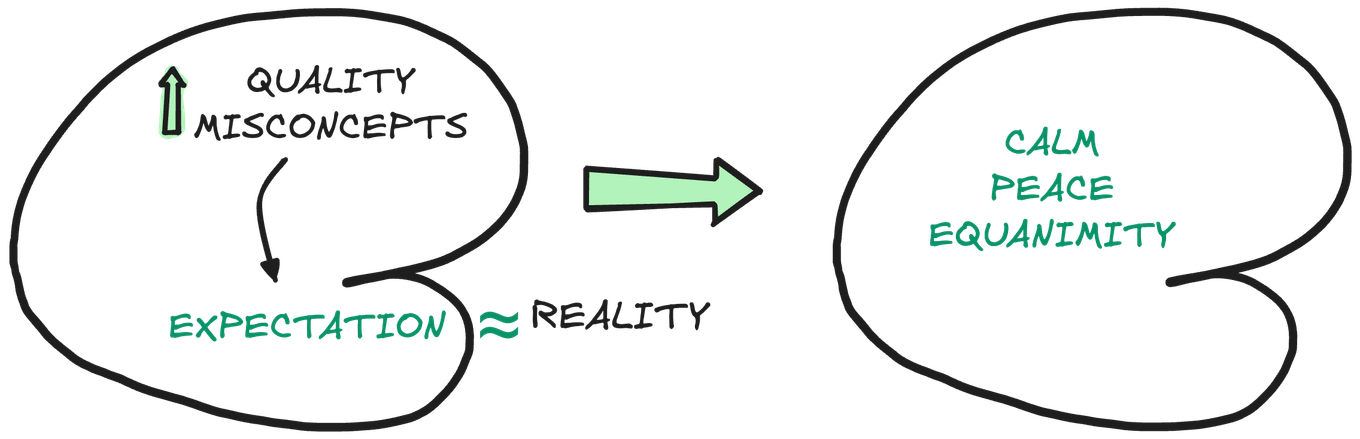
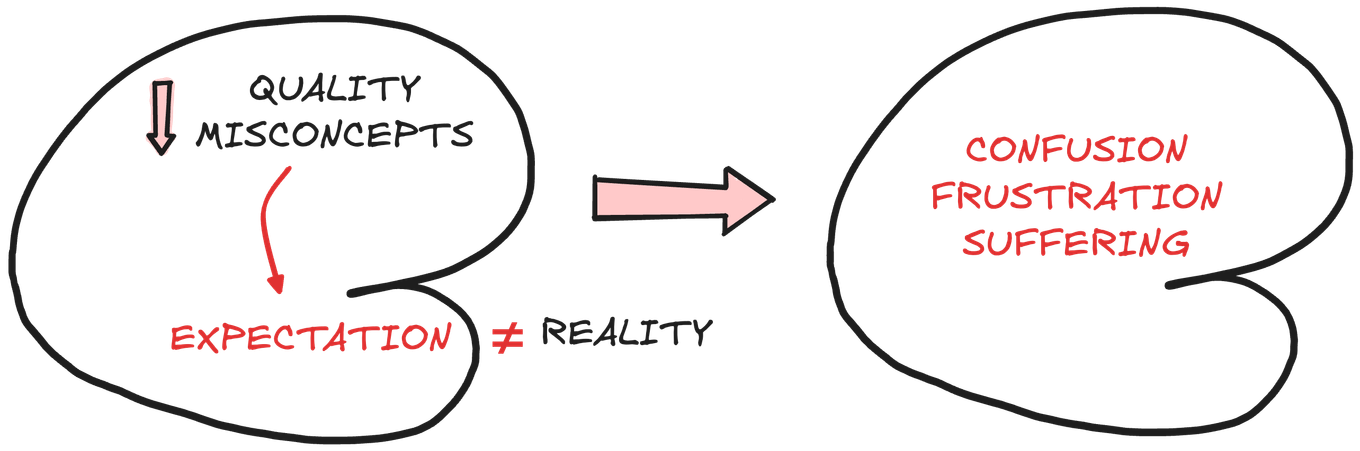
Internal experience. High-quality misconcepts generate expectations closer to what actually happens. When the world matches your expectations, the result is calm, equanimity, and a stable internal state. Low-quality misconcepts contain more errors, and the expectations derived diverge from reality more often. That divergence, accumulated across hundreds of daily moments, produces cognitive dissonance, frustration, suffering.
External results. If life is a billion misconcept-decision-action-compounding cycles, higher quality misconcepts produce decisions and actions that compound towards what you intended to achieve. Lower quality misconcepts compound too, but the compounding can go wrong in one of three ways: too slow, haphazard, or accelerating in the wrong direction entirely.
Where this leads
Misconcepts determine your internal experience and your external results.
The only two things you can do to change your internal experience and external results are to improve a misconcept or implement your current misconcepts.
That raises a practical question. Which misconcepts are worth improving first, and how do you know?
The next article takes up both parts of that question. It introduces the difference between deliberate and default misconceptsThe set of misconcepts accessed automatically and without conscious effort (System 1 thinking).Full definition (opens in a new tab)→, and explains why some misconcepts carry far more weight than others. Getting that right is the start of getting the most out of your finite life resourcesThe finite resources we expend to improve or implement misconcepts.Full definition (opens in a new tab)→.
If this resonated, get Micro Misconcepts in your inbox every Friday.
Subscribe to Micro Misconcepts →