Why Changing Our Mindset Is So Hard
October 9, 2025
By Syn Yun Phee
You’ve highlighted every productivity book, listened to all the podcasts, and can quote your favourite philosophers. Yet when the inevitable stress of life mounts, you still react exactly like you did a year ago. You know what you should think and how you should respond, but somehow... you remain unchanged.
Why is changing our mindset so difficult?
The self-help industry is worth billions, built largely on recycling the same wisdom we’ve heard countless times. Yet we need to be reminded of the same insights again and again. When life feels heavy or uncertain, many of us reach for inspiration in the form quotes and affirmations we hang on the wall. They comfort us and sound wise, but here’s the problem: they leave us to bridge the gap between theory and practice on our own. If this sounds familiar, you’re not alone.
The Chasm Between Knowing and Doing
Just because we know something doesn’t mean we can effectively use that knowledge. People often have tremendous self-awareness about the mindsets they want to change, but the gap between knowing and doing can feel like a chasm.
That’s because there is a chasm - and it exists in two failure points in our change journey. Through my own struggles with change, I’ve discovered these gaps have everything to do with how our misconceptsMisconcepts are the explanations we hold about how the world works, synonymous with mental models but named deliberately to acknowledge their fallibility. Unlike a misconception, a misconcept is not necessarily wrong.Full definition (opens in a new tab)→ - what I call mental models as a reminder of their inherent fallibility - actually operate.
These two failure points explain why smart and motivated people stay stuck despite consuming endless personal development content.
Change is a Journey Most People Never Complete
To understand these failure points, let me first share what I’ve learned about how changing our mindset works when it succeeds. In my journey to change effectively, I’ve identified four stages we must navigate from recognising the need for change to making it our new default:
- Initiation - Recognising the need to update your default mindset
- Investigation - Exploring what new mindset to adopt
- Implementation - Planning how to implement the new mindset
- Integration - Practising the new mindset until it becomes automatic
Initiation represents that catalytic moment when our motivation to change crosses from passive dissatisfaction to active commitment. This pushes us to research alternatives - entering the Investigation stage - where we engage in deliberate learning through books, articles, podcasts, and videos. Sometimes, this stage can be very brief because we already know the change that needs to be made.
But here’s where most people stop, which explains why they don’t see lasting change. Initiation and Investigation are necessary but insufficient steps.
In my experience, most attempts to change succeed at the first two stages but fail catastrophically at Implementation and Integration.
The Implementation Gap
This is the first place change breaks down: I call it the “knowing fallacy” - the misconception that knowing equals being. What I discovered through my own frustrations is that our minds operate two completely separate processes: updating our misconcepts through learning, and implementing those misconcepts through decisions and actions.
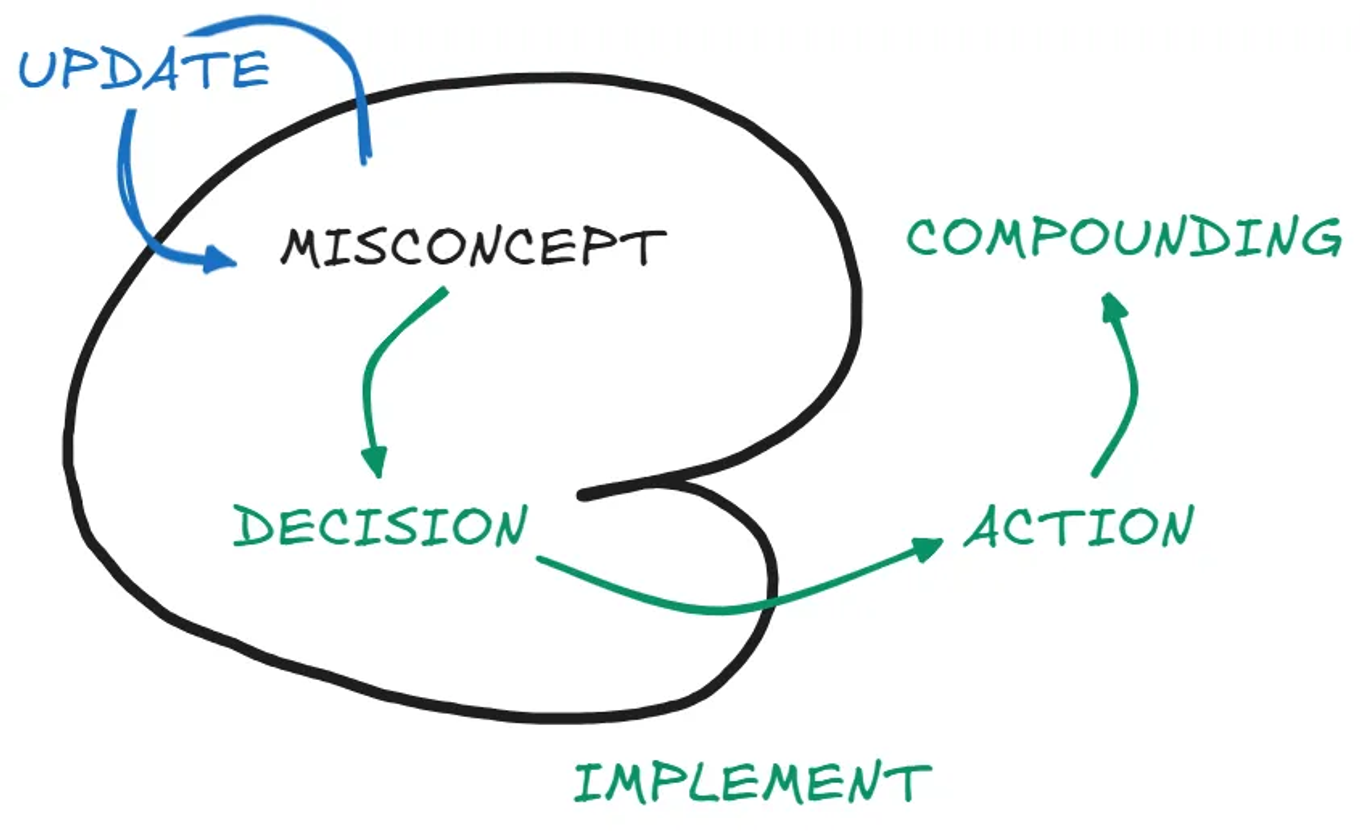
When we learn something new, we update our misconcept. But as anyone who’s tried to change knows, this doesn’t automatically translate into new behaviour. That’s because updating our misconcept is one process, but implementing it is another.
There’s a significant difference between declarative knowledge (knowing what) and procedural knowledge (knowing how).
Consider someone who intellectually understands they should adopt a growth mindset. They tell themselves “Starting today, I’m going to see setbacks as learning opportunities.” That sounds great, but if they haven’t defined what this looks like in practice, then when the next trigger arises (such as receiving critical feedback), their automatic response kicks in: “I’m terrible at this.” They’ve fallen back into a fixed mindset despite knowing better.
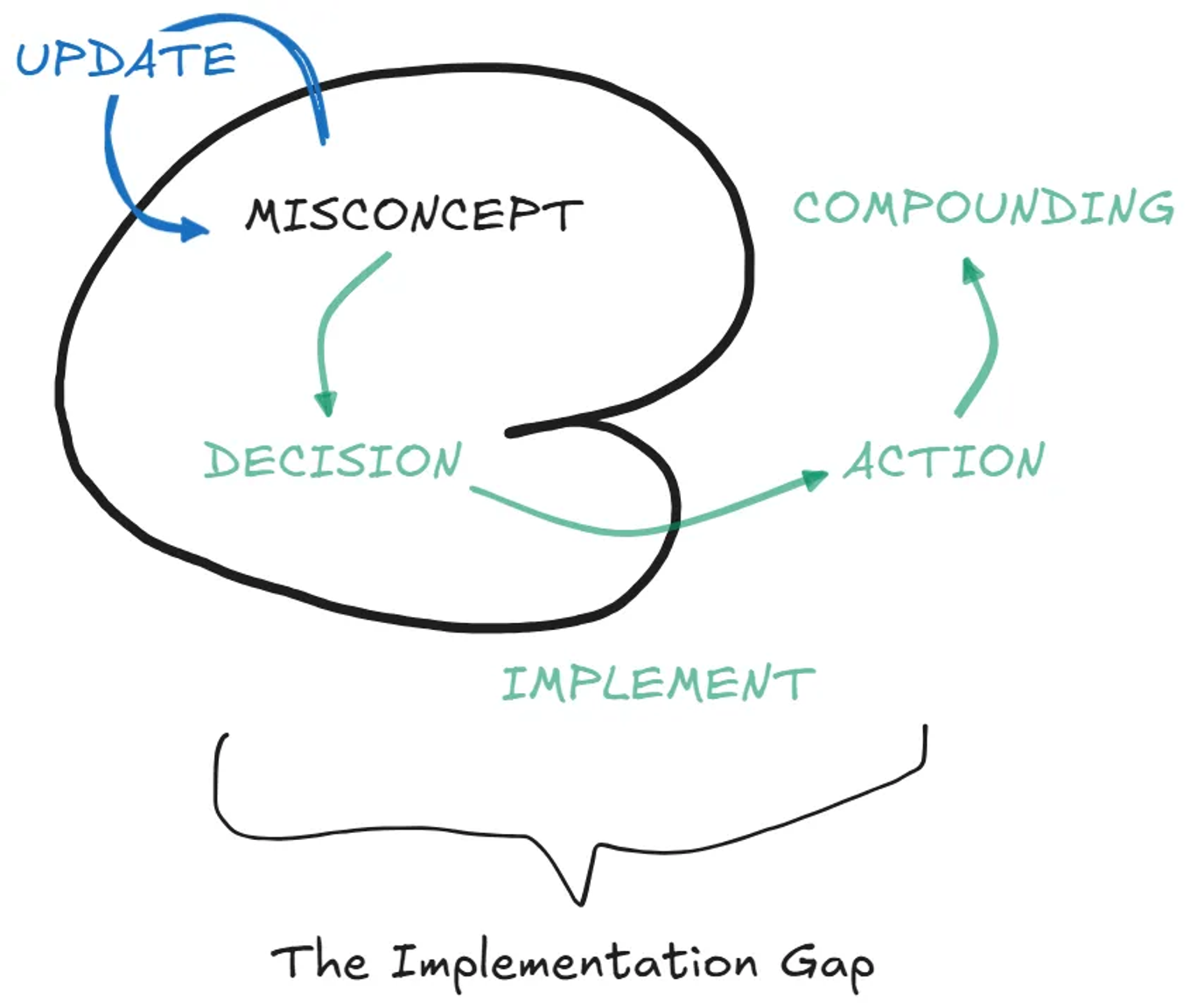
This is the Implementation Gap. You have declarative knowledge but lack the procedural knowledge to operationalise it into specific behaviours and actions. In other words, you haven’t made the leap from theory to practice on how you actually implement the change in your day-to-day life.
As Naval Ravikant notes: “The difference between knowing the path and walking the path is execution.”
Yet most of us treat implementation as if it should happen automatically once we’ve absorbed enough theory.
Implementation requires three components:
- Identify Your Triggers - Pinpoint the specific situations that activate your old patterns. For our growth mindset example, this might be receiving unexpected criticism from your manager.
- Plan Your Response - Before you’re in the heat of the moment, design a new deliberate response. For example, instead of thinking “I’m terrible at this,” you decide to ask yourself: “What can I learn from this feedback?”
- Define Your Actions - Break your response into the small specific actions you will take. For example, write down the feedback, identify one actionable insight, and schedule time to work on it tomorrow.
This moves “adopting a growth mindset” from abstract concept to concrete action plan. It’s the difference between knowing you should work out and having a plan to put on running shoes at 7am and jog for 30 minutes.
The Integration Challenge
You’ve recognised the need to change, identified what to change to, and planned how to change. Now you just need to execute, right?
Here’s where it gets tricky - and where the second failure point lives. Up until now, you’ve successfully implemented change using your rational mind, achieving “conscious competence.” But I learned that our misconcepts actually exist in two forms: Rational and Default.
Rational misconcepts require mental effort and time to access, but they’re higher quality because we apply logical thinking (what Daniel Kahneman calls “System 2”).
Default misconceptsThe set of misconcepts accessed automatically and without conscious effort (System 1 thinking).Full definition (opens in a new tab)→ are accessed instantly without effort - they’re the automatic responses that have become ingrained.
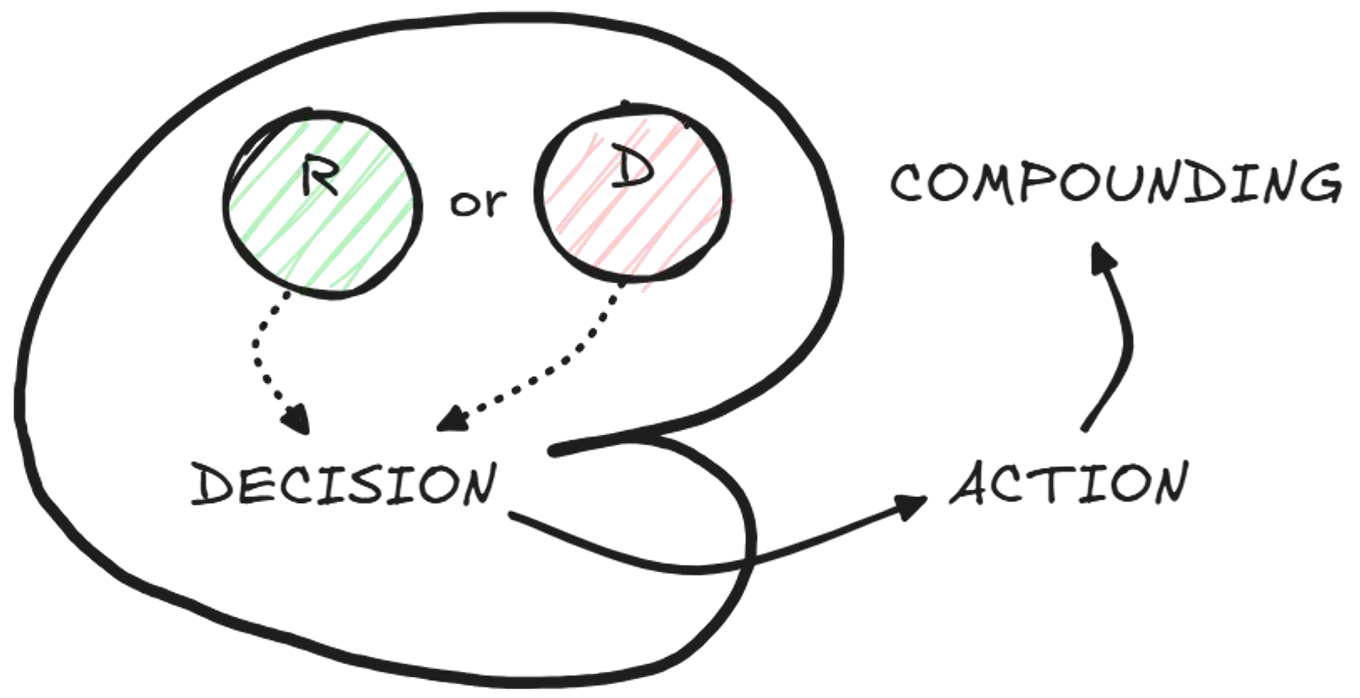
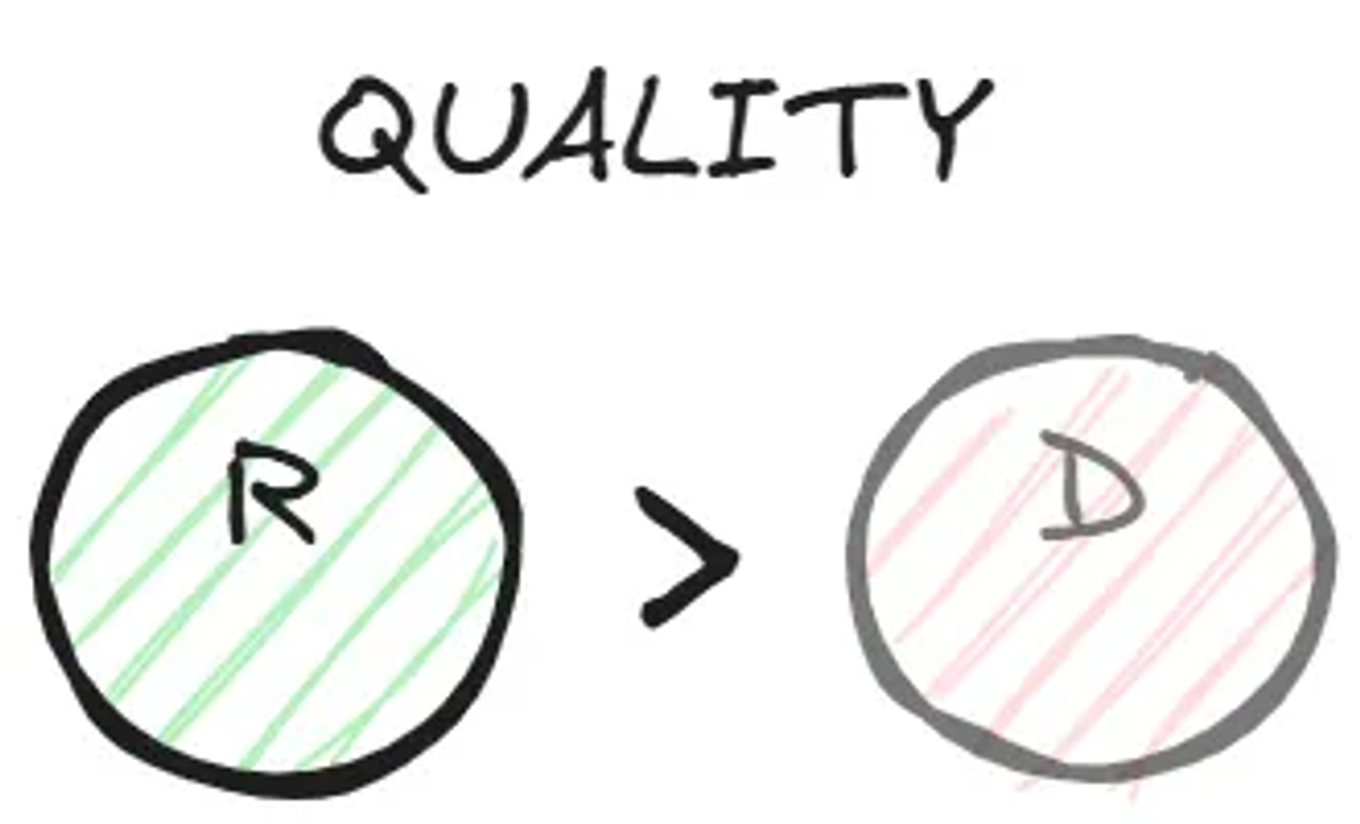
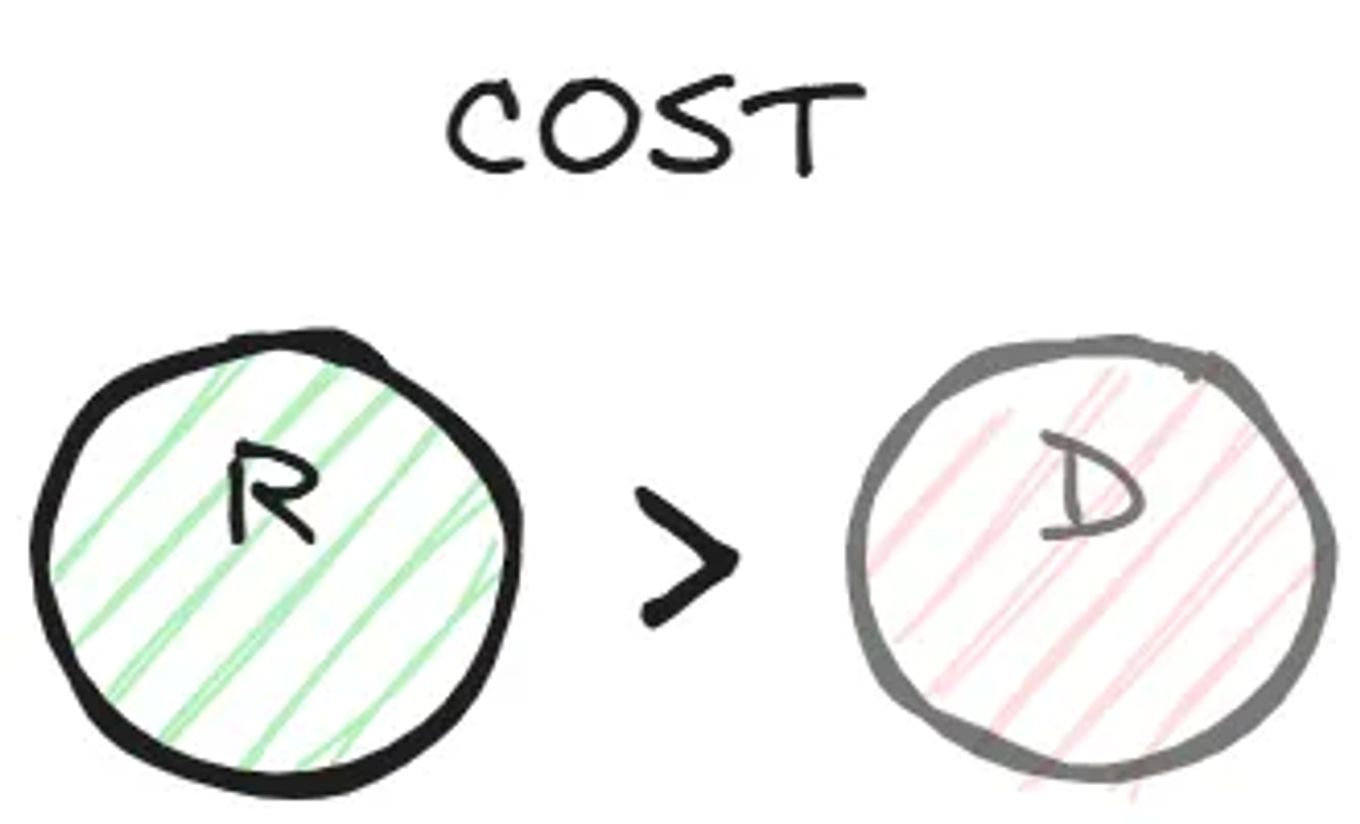
When you first learn something new, you only know it rationally. Due to our limited mental resources, we can only access rational thinking a small fraction of the time. Most of the time, we operate from defaults.
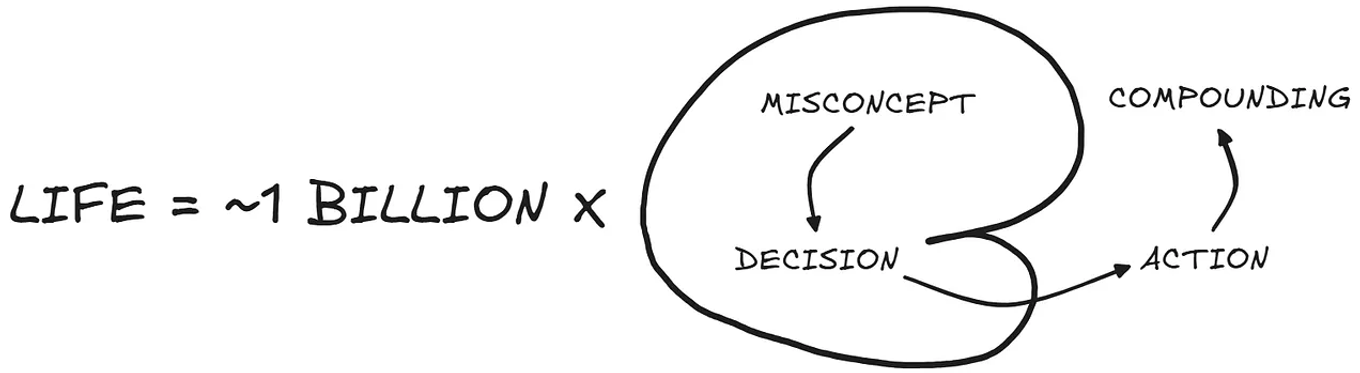
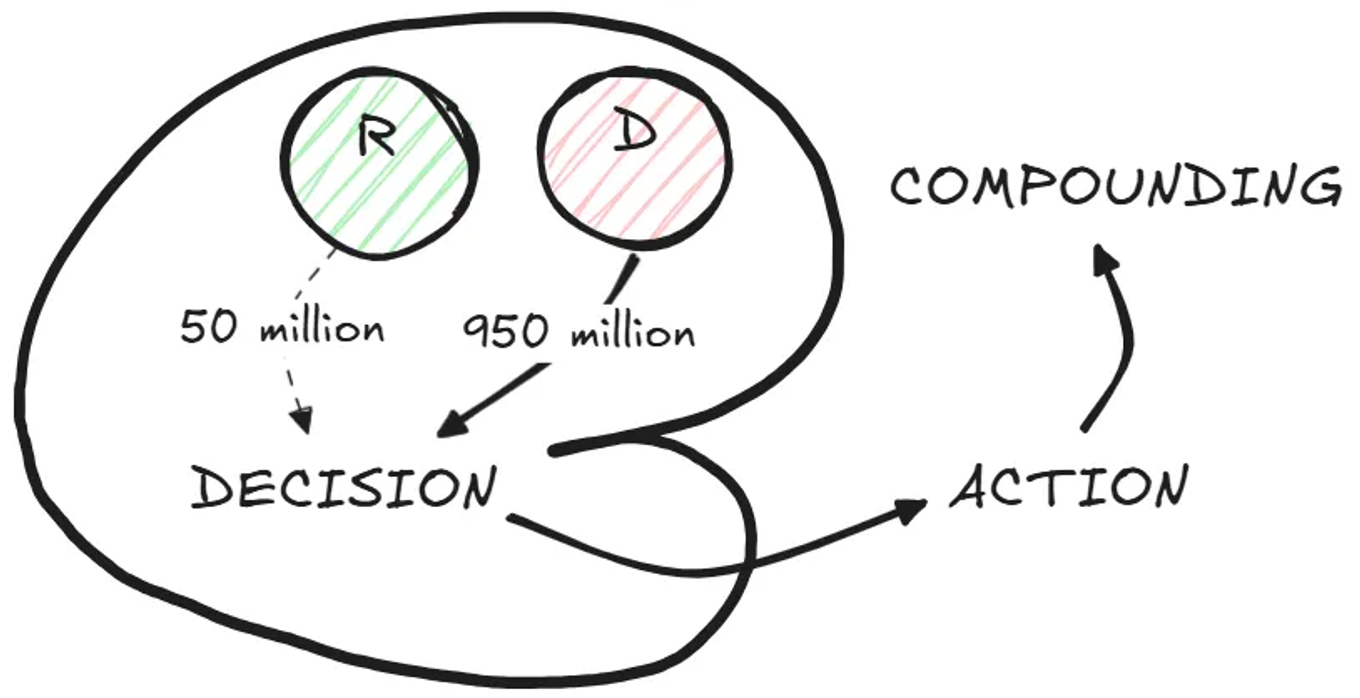
We may know something rationally, but we haven’t made the progression of turning that rational knowledge into our defaults. This is why we operate with old patterns despite knowing better, and why we find ourselves acting in ways that contradict what we intellectually understand.
This is where the integration challenge arises. The majority of your life is driven by defaults. What happens when you’re not consciously applying effort, which is most of the time?
It falls apart under stress, when defaults are automatically triggered.
Integration is the step required for lasting change. The goal is to shift our default automatic responses through deliberate practice such that we achieve “unconscious competence”. Your rational mind must keep practicing the new mindset over and over again until it becomes your new default.
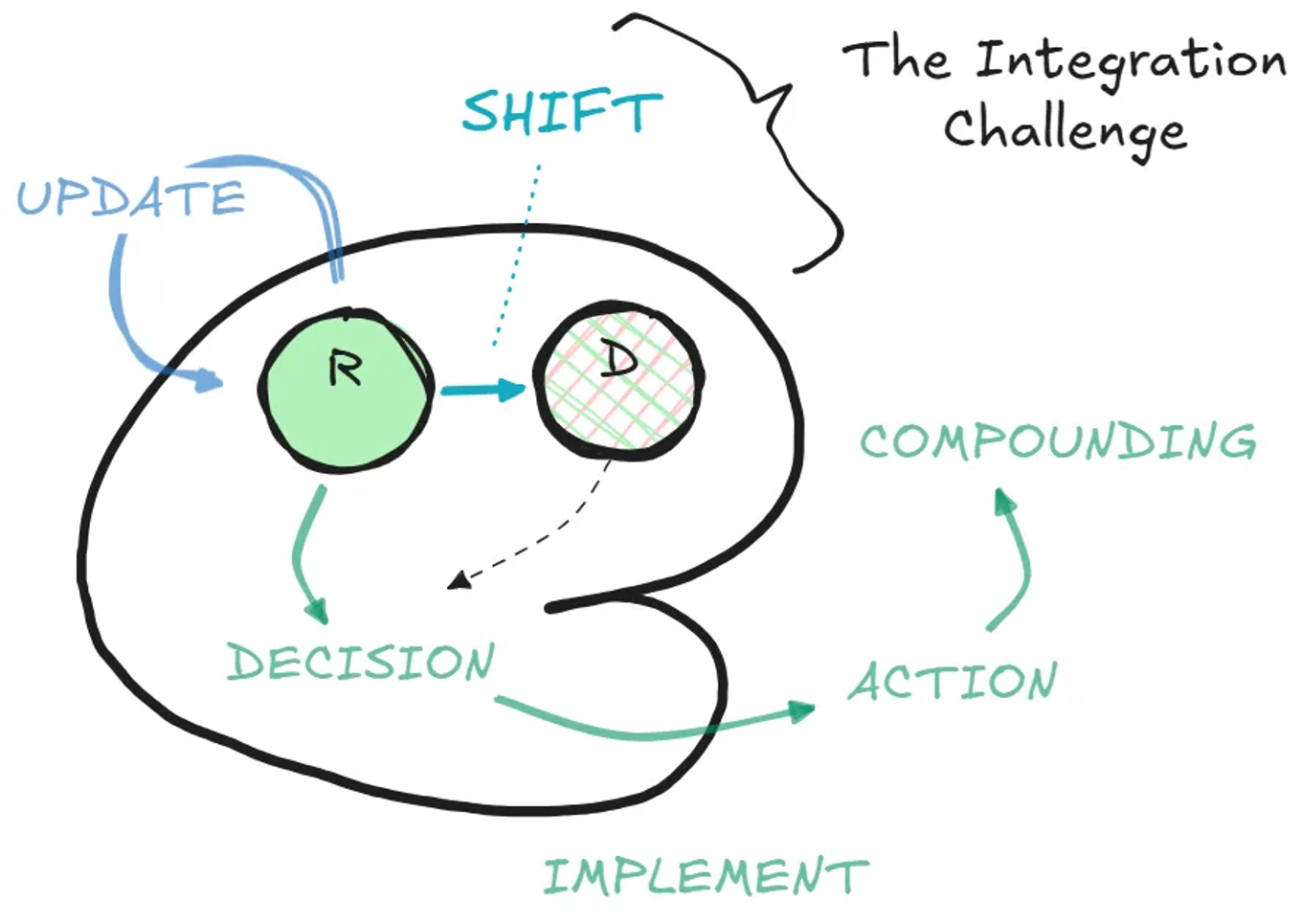
This insight from James Clear captures why Integration is so crucial: “You do not rise to the level of your goals. You fall to the level of your systems.”
In my experience, this is the most challenging stage because it requires sustained time, effort, and resilience. This is cognitively demanding work as you’re creating new neural pathways to compete with established ones. And it’s a frustrating time as your mind already knows where it wants to be but your reality is playing catch-up.
But armed with an awareness of the common challenges you may encounter during this stage, you can better manage your expectations and persist to achieve the lasting change you seek. Some of the most common challenges I’ve come across:
You expect linear progress - Our brains think linearly while results compound exponentially. You put in enormous effort initially and see minimal results, risking giving up before hitting the inflection point. Don’t underestimate the time required. Remember that change occurs slowly then suddenly.
You expect instant change - Shifting defaults isn’t a one-time decision. You have to consciously choose the new pattern repeatedly until it no longer feels like a “change.” Don’t underestimate the effort required.
You misallocate your mental resourceThe ability to creatively conjecture, rationally criticise, and focus.Full definition (opens in a new tab)→ - Engaging rational thinking requires mental resources. Sustaining this cognitive effort over time needs to be planned for, which is why focusing on one change at a time works better. In addition, life happens. There could be competing cognitive demands for your mental resources, so adjust your expectations accordingly.
You forget you are human - As humans, we have been endowed with cognitive biases crafted through years of evolution. Change can be psychologically painful because it works against these biases - your ego may be challenged, your desire for social approval might derail you, and you may compare yourself to others in unhelpful ways. Without an awareness of what these biases are and how they can lead you astray, shifting defaults can be a very frustrating journey.
Environment keeps triggering old patterns - Your environment contains cues that automatically activate old neural pathways. Being aware of these triggers and modifying your environment where possible can help in your default shifting journey.
If you’ve made it this far and feel overwhelmed, that’s a sign you’re taking this seriously. The challenges are real, but they’re navigable.
Reframing the Journey
With all these challenges, it’s easy to see why changing our mindset is so difficult. What has helped me most is reframing the discomfort I experience during change. There are two types of pain: “growth pain” (the necessary discomfort of stepping outside your current patterns) and “damage pain” (the ongoing cost of maintaining unsupportive defaults).
You’ll experience pain either way: the pain of disciplined effort now, or the pain of repeated frustration and regret later. When seen this way, the opportunity costThe lifetime value of the next best alternative forgone when expending life resources to improve or implement misconcepts.Full definition (opens in a new tab)→ decision becomes clear.
Although I’ve presented these as linear stages, real change involves cycling through them multiple times as you learn, error-correct, and iterate your approach. Don’t be discouraged if you find yourself working with a particular pattern longer than you’d like.
Making the Change
“We are what we repeatedly do. Excellence, then, is not an act, but a habit.” - Will Durant
Changing our default mindset is analogous to habit formation, just in the internal world rather than the external one. Like any habit, it takes consistent effort over time, but once built, becomes a powerful foundation.
A question for you: What’s one specific mindset you’ve been wanting to change but haven’t been able to? Not because you lack knowledge, but because you’ve never built the bridge between knowing and being.
This week, identify the mindset shift that would return the highest ROI for your life. Write down the trigger and exactly what you’ll do differently next time it occurs. Then wait for life to test you, again and again until one day you realise it is no longer a test.
I wish someone had told me this years ago: every day you delay building this bridge between knowing and being is another day of operating below your potential. The gap won’t close itself.
If this resonated, get Micro Misconcepts in your inbox every Friday.
Subscribe to Micro Misconcepts →