How I Simplified Life Down to Just Two Decisions
October 2, 2025
By Syn Yun Phee
Life feels overwhelming because of the sheer number of decisions we face every single day. What career path to take. Whether to invest or hold cash. Even the small and seemingly relentless ones – should I check email now or later, eat the salad or the burger, stay up a little longer or go to bed.
By the end of a lifetime, you’ll have made close to a billion of these decisions.
But here’s what I discovered after years of feeling overwhelmed by options: this complexity is an illusion. Every single one of those billion decisions can be distilled down to just a variation of two options.
That’s it. Two options.
When I finally grasped this, decision-making suddenly felt like operating in easy mode. The noise subsided. The path cleared. And I finally had a way of consistently getting higher returns on my finite life resourcesThe finite resources we expend to improve or implement misconcepts.Full definition (opens in a new tab)→.
The Two Things You’ll Ever Do
So what are these two options hidden within every decision you’ll ever make?
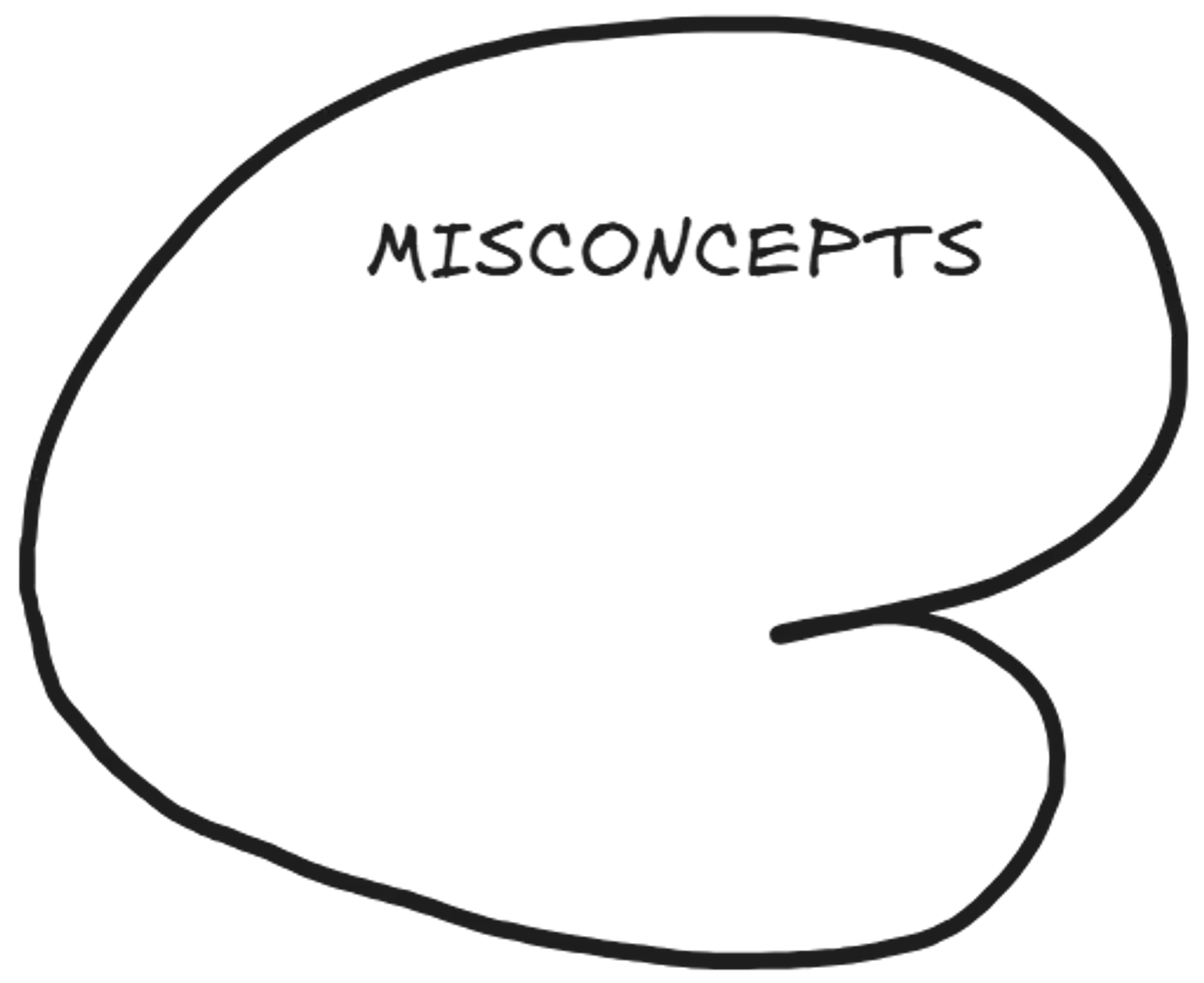
You’re either updating a misconceptMisconcepts are the explanations we hold about how the world works, synonymous with mental models but named deliberately to acknowledge their fallibility. Unlike a misconception, a misconcept is not necessarily wrong.Full definition (opens in a new tab)→ or implementing one.
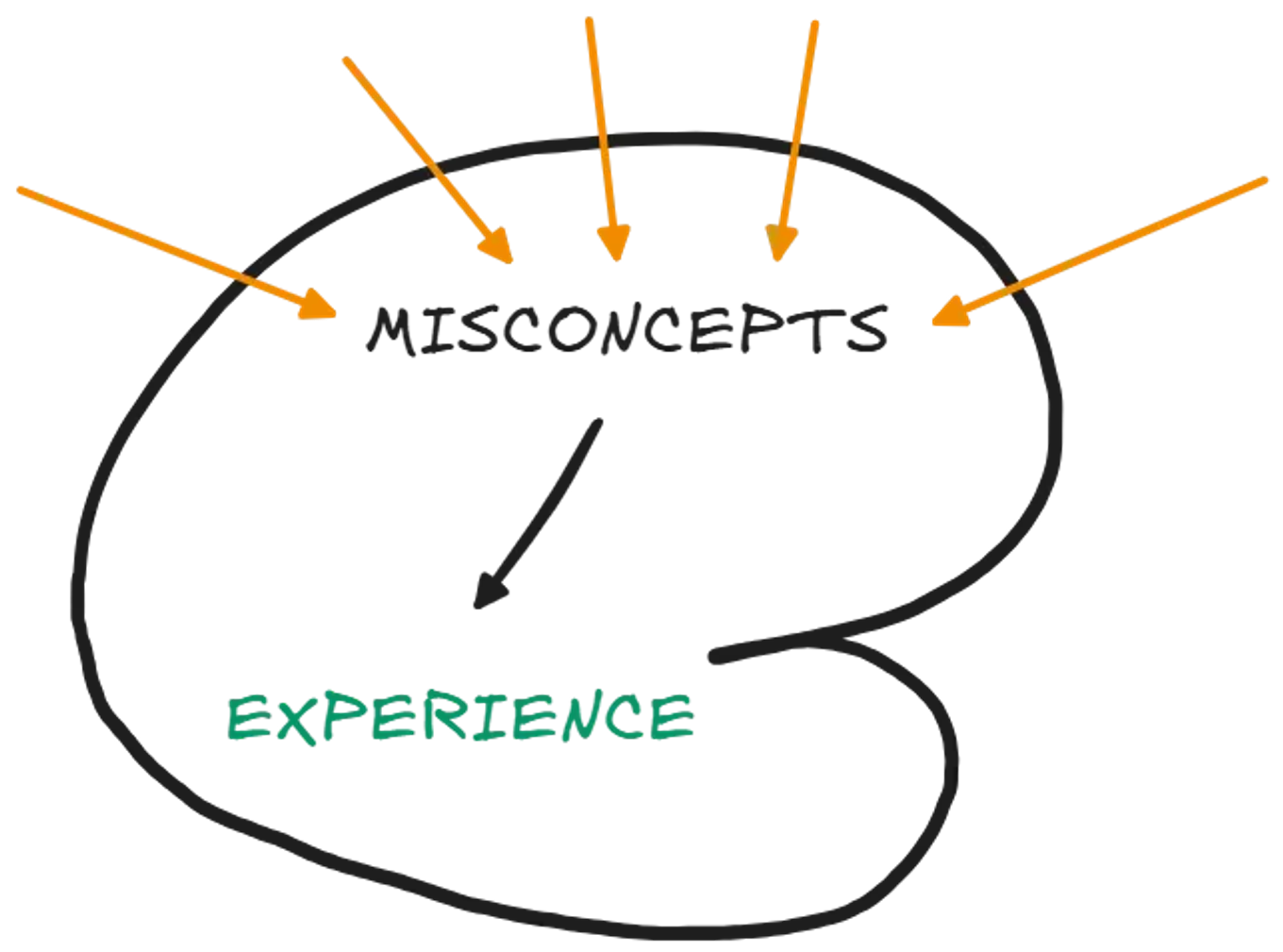
Think of misconcepts as the explanations you hold about how the world works – your mental models. I call them misconcepts as a reminder that all these mental models are wrong to some degree when compared to reality. There’s always scope to improve their quality to reflect reality more accurately.
As statistician George E. P. Box put it: “All models are wrong, some are useful.”
Similarly: “All misconcepts are wrong, some are useful”
And misconcepts matter because they shape everything you experience and achieve in the world.
Internal Experience
External Results
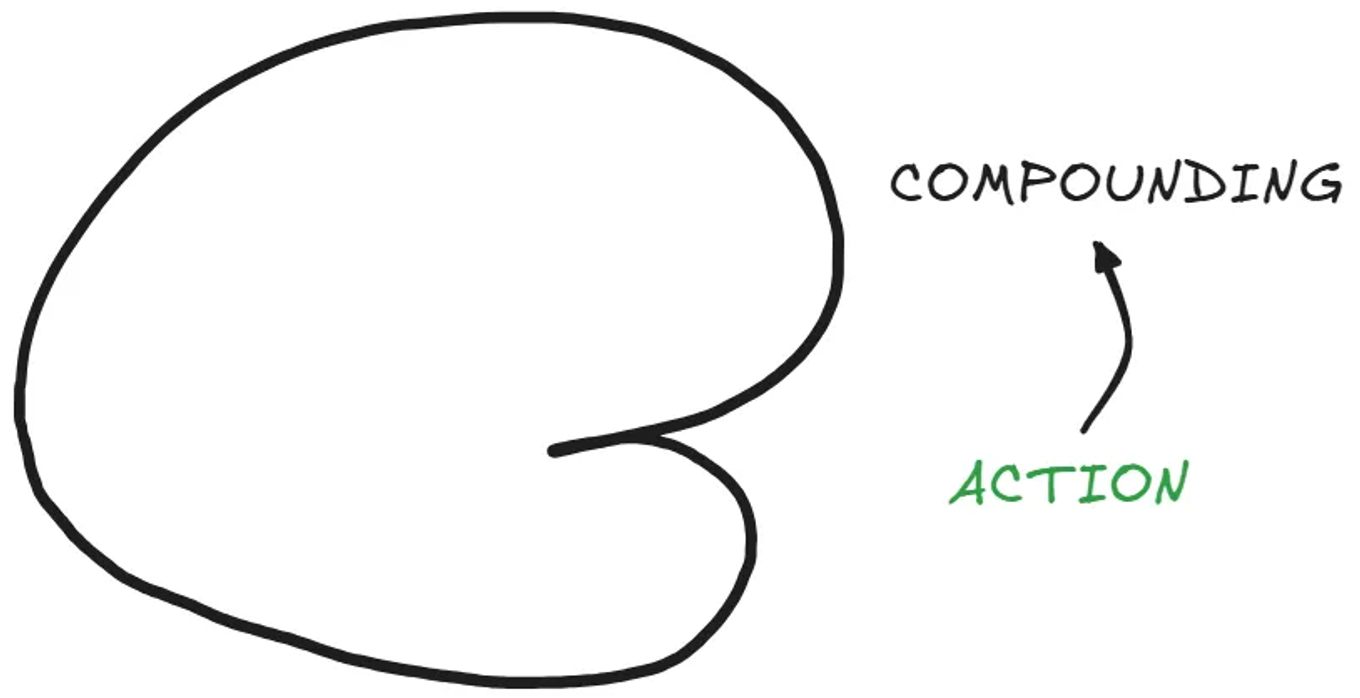
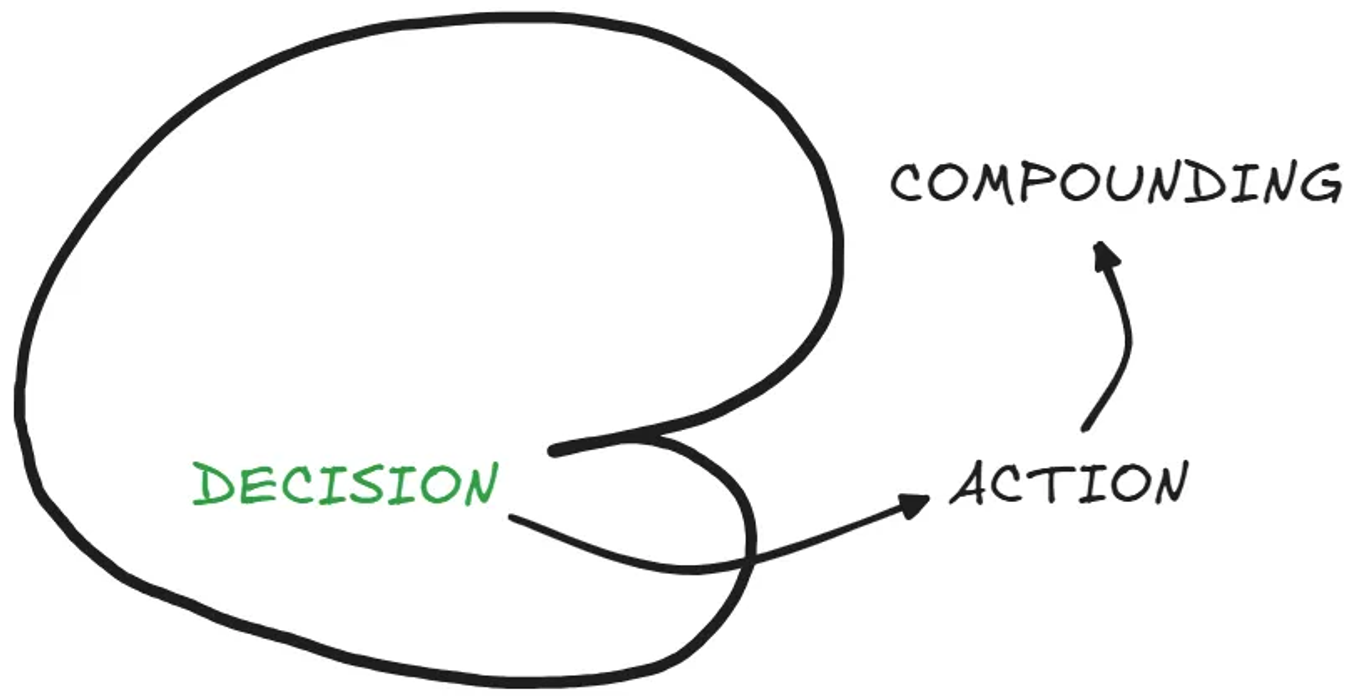
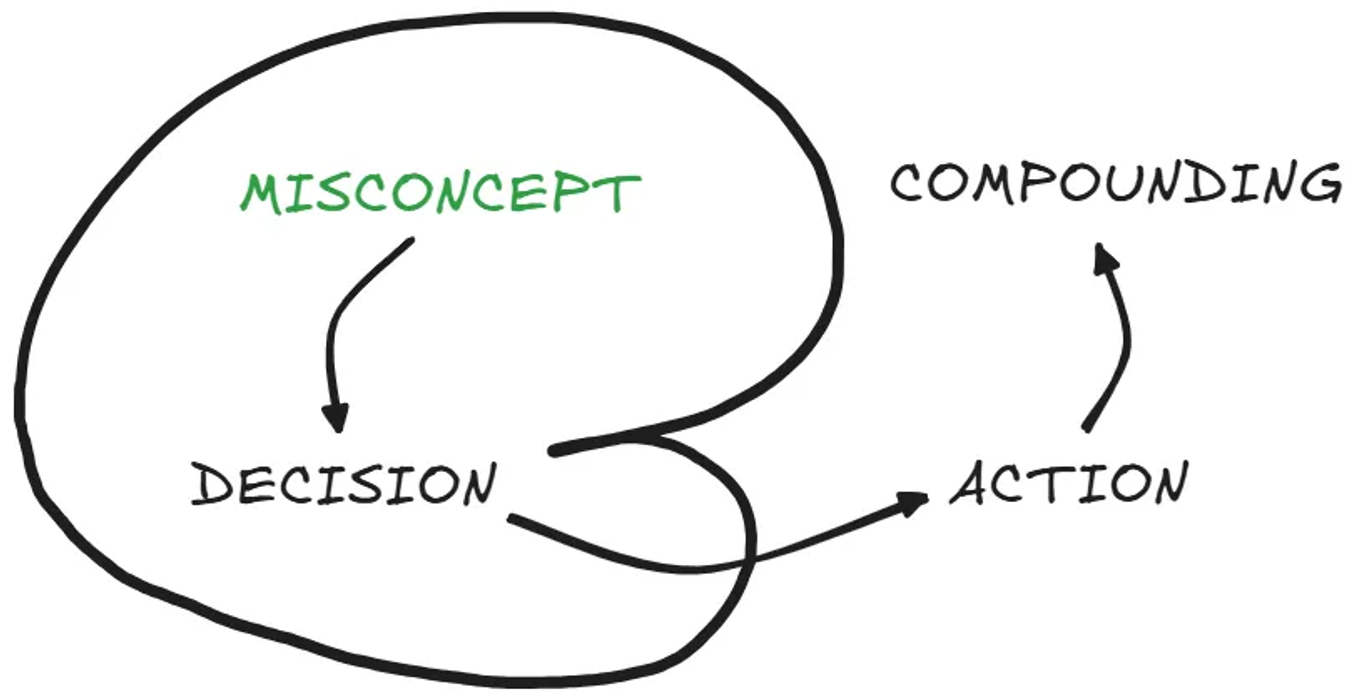
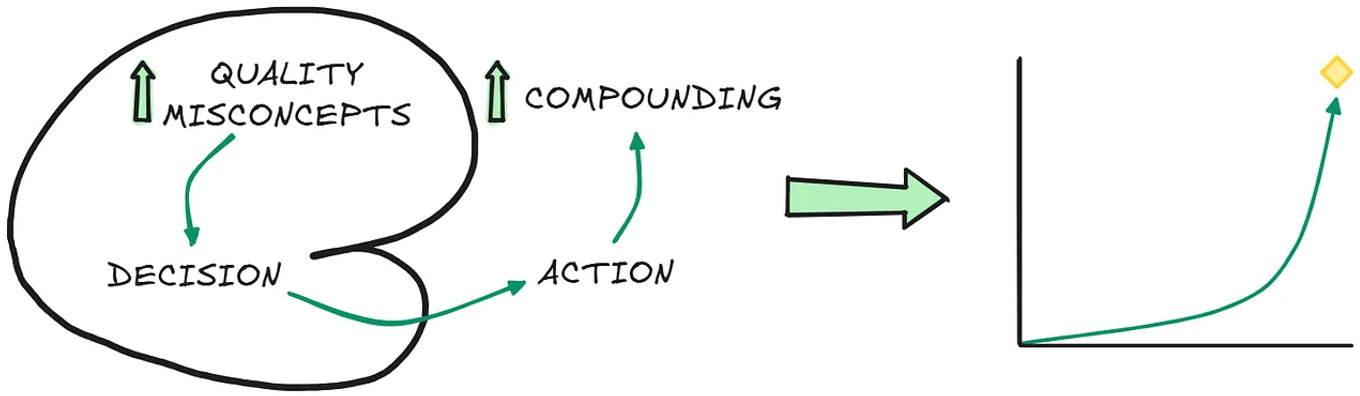
Every time you expend life resources – your finite time, mental resourceThe ability to creatively conjecture, rationally criticise, and focus.Full definition (opens in a new tab)→, and physical resourceThe function of our biological machinery.Full definition (opens in a new tab)→ – you’re doing one of two things:
1. Updating Misconcepts – Improving the quality of your mental models
2. Implementing Misconcepts – Using your current mental models
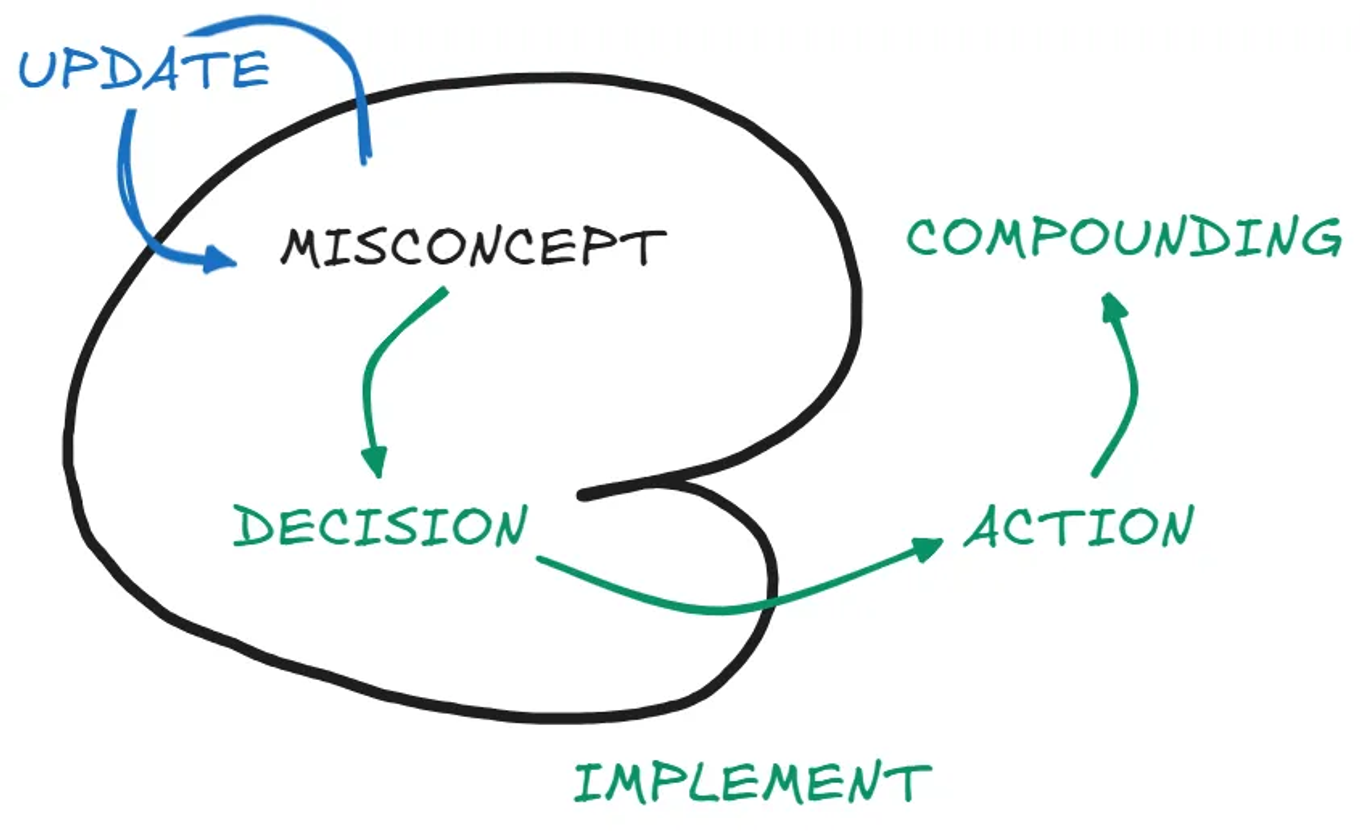
The choice matters because your life resources are finite. Both updating and implementing require investment of these finite resources. The skill lies in knowing which approach gives higher returns in each context.
How This Plays Out in Real Life
Let’s look at how this works across different areas of life.
Work: Feeling stuck in your job? You can either update your misconcepts about work, success, and what fulfills you to determine your next steps or implement your current beliefs by taking actions such as applying for new roles, starting a side project, or negotiating a promotion.
Health: Not seeing results? You can either update your misconcepts by learning better approaches to nutrition and exercise or implement misconcepts you already have about eating well and moving your body.
Relationship: Recurring conflicts in your relationships? You can either update your misconcepts about communication and connection or implement your current understanding of how to cultivate better relationships.
Daily routines: Struggling with productivity? You can either update your misconcepts about focus and productivity by learning new systems or implement what you already know by actually following through on the tools and tactics you’ve learned.
Every decision becomes a clear choice between two modes rather than an overwhelming array of possibilities. So how do you know which mode to choose?
When to Update vs When to Implement
Here’s how I’ve learned to navigate the choice:
Update when:
- Your expectations consistently clash with reality
- You’re entering unfamiliar domains where past experience doesn’t apply
- You feel chronically frustrated, disappointed, or stuck in patterns
- The cost of being wrong is high
Implement when:
- Your misconcepts align well with reality and you’re seeing good results
- You’re in familiar domains where you have proven models
- Action is more valuable than analysis in your current context
- You catch yourself procrastinating by disguising inaction as “learning”
Most people get stuck because they default to one mode. Some stay stuck in “productive procrastination”, always updating but never implementing. Others charge ahead implementing outdated or low-quality misconcepts, wondering why they keep hitting the same walls.
What Great Thinkers Already Knew
What’s remarkable is that great philosophers have been hinting at the power of misconcepts in shaping our experience for centuries, just in their own way. Quotes that you’ve read countless times will now make perfect sense.
For instance, Marcus Aureliues wrote: “You have power over your mind, not outside events. Realise this, and you will find strength.”
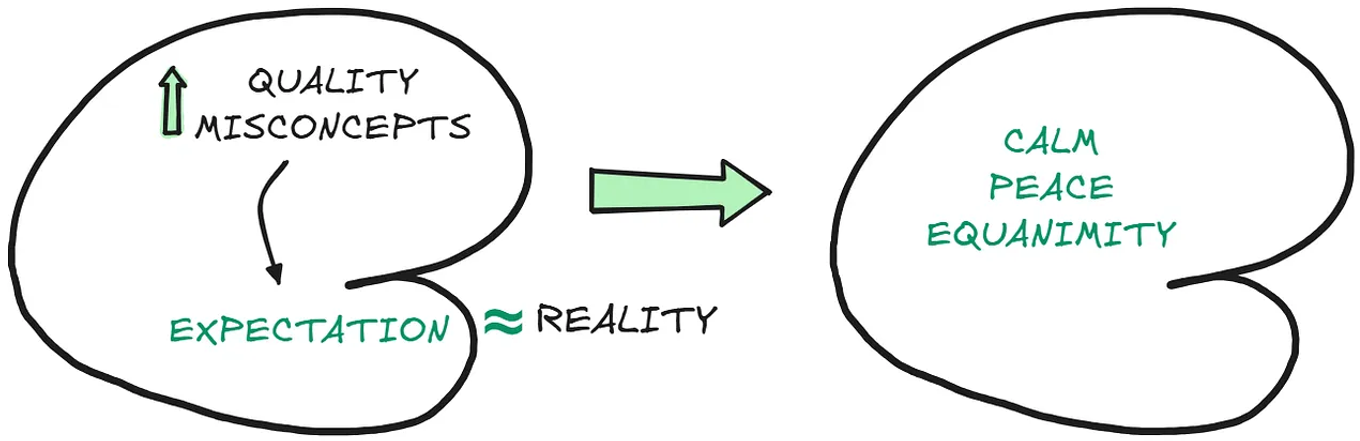
The power that he describes is the power to choose which misconcepts you hold and continuously improve their quality. When your misconcepts better reflect reality, your expectations align with what actually happens. This leads to the strength he mentions - the calm that comes from not constantly being blindsided by life.
Epictetus was even more direct when he observed: “People are disturbed not by things, but by the views which they take of things.”
Here he was pointing straight at how our misconcepts shape our internal experience. The “disturbance” we feel comes from the friction of low-quality misconcepts creating expectations wildly different from reality.
Buddha also warned us that: “Nothing can harm you as much as your own thoughts unguarded.”
Unguarded thoughts are simply misconcepts we’ve never examined or updated – mental models that may be driving us toward outcomes we don’t actually want, be it an internal experience or an external outcome.
The High-Leverage Starting Point
Given the importance of our misconcepts and the constraint of our finite life resources, is there an optimal place to start examining our misconcepts? I’ve found the highest leverage approach is prioritising what I call “High-Level Misconcepts”. These are the misconcepts you use in virtually every decision, whether you realise it or not, thus they have a disproportionate influence on your internal experience and external results.
The four that have had the biggest impact on my life are:
- Misconcepts themselves (this framework)
- Life resources (understanding your finite time, mental resource and physical resource)
- Arbitrary life goalsA conjectured desired state that an individual chooses to pursue.Full definition (opens in a new tab)→ (what you’re actually optimising for)
- Opportunity costThe lifetime value of the next best alternative forgone when expending life resources to improve or implement misconcepts.Full definition (opens in a new tab)→ (what you’re giving up with each choice)
Updating these creates cascading improvements across every other decision you make.
From Overwhelming to Simple
Understanding this framework simplified how I approach all the decisions in life. Instead of being paralyzed by endless options or making decisions by default, I now ask “should I implement an existing misconcept or is there an opportunity to update it first?”.
This single question creates immediate clarity because it helps you allocate your finite life resources more effectively. This doesn’t guarantee you’ll always choose correctly, but you can find peace knowing you’re making the best decision possible with your current understanding and resources.
Career crossroads? Two options: update or implement.
Relationship challenges? Two options: update or implement.
Health struggles? Two options: update or implement.
Daily productivity battles? Two options: update or implement.
The specific contexts change, but the fundamental choice remains beautifully simple.
Your Next Move
It’s easy to feel overwhelmed by the sheer number of decisions we face every day, but this complexity is an illusion. You can only ever do two things: update misconcepts or implement misconcepts.
Over the coming week, notice your decisions through this lens. When facing any choice – big or small – ask yourself: “Am I implementing existing misconcepts here, or could this be an opportunity to update them first?”
Where do you automatically default to implementing when updating might serve you better? Where do you get stuck in perpetual updating when implementation is what’s actually needed?
The goal isn’t perfection. It’s seeing your billion daily decisions for what they really are: variations of just two simple choices.
You’re either learning or applying what you’ve learned. You’re either getting better or using what you’ve got. And there’s beauty in simplicity.
If this resonated, get Micro Misconcepts in your inbox every Friday.
Subscribe to Micro Misconcepts →